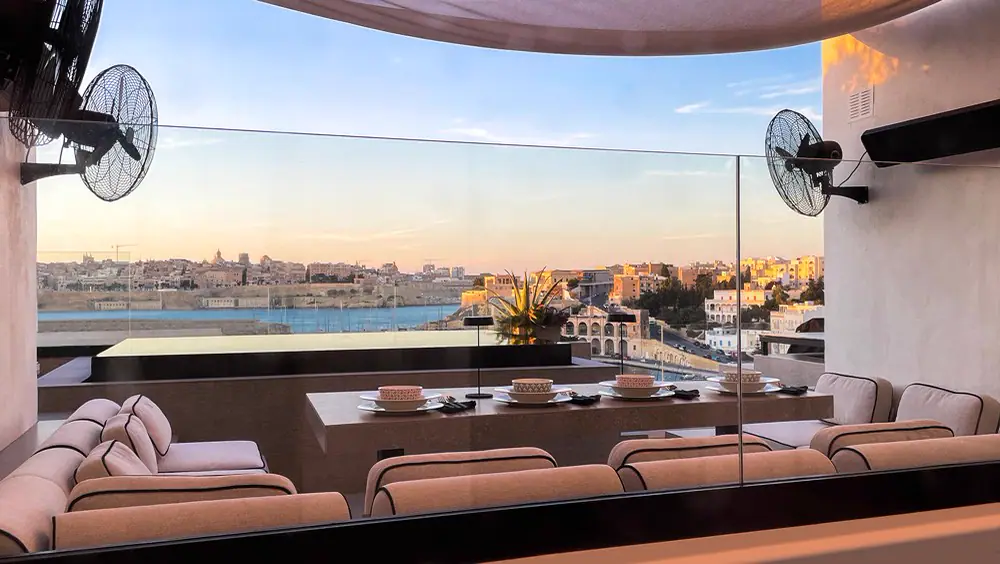
A gem at the heart of the sparkling Mediterranean, Malta has extended its hospitality to explorers, settlers, conquerors, and crusaders over many millennia. From the Phoenicians, Romans, Greeks, and Arabs to the Normans, Knights of St. John, French, and British, these cultures have all left their mark on art, architecture, cuisine, and traditions, making Malta—along with sister islands Gozo and Comino—a rare treasure for today’s luxury travelers.
Drawing on the rich architectural heritage here, magnificent historic properties have been turned into elegant boutique hotels, not only in the capital but also in tranquil villages across the island. In Valetta, 16th- and 17th-century palaces and grand family residences—Domus Zamittello, Palazzo Bettina, Palais Le Brun, Romègas Hotel, and Cité Privée Malta, among others—have been transformed into intimate properties with beautifully appointed rooms, rooftop terraces, indoor pools, and even a penthouse villa that blend atmosphere with high-end contemporary comfort.
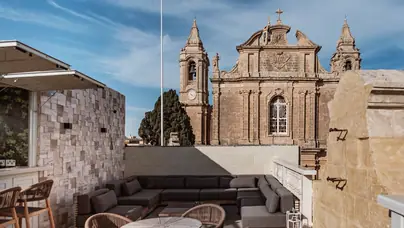
Outside the city, Casa Bonavita in Attard, Palazzino Belvedere Relais & Chateaux in Mdina, Villa Barumbara tal-Laring near Rabat, and Palazzo Castagna in Hal Ghaxaq also welcome travelers with their period details, gracious gardens, and spectacular views of the Maltese countryside. On quiet agricultural Gozo, renovated farmhouses add to the number of luxe properties. And, of, course, five-star international hotel chains are here as well.
“What makes Malta so special is its perfect balance of 9,000 years of history with modern luxury,” notes Michelle Buttigieg, North American representative of the Malta Tourism Authority (MTA).
Visitors to Malta will find a burgeoning fine-dining scene, with half-a-dozen Michelin-starred restaurants that feature classic Mediterranean or creative, contemporary cuisine and a selection of wines produced at local wineries. Gozo’s “slow tourism” approach notably includes authentic farm-to-table restaurants.
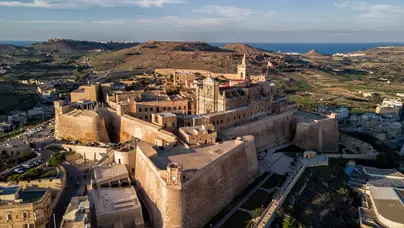
What truly elevates a stay in Malta, however, is access to exclusive experiences that connect guests to island culture and traditions. For history and art aficionados, there are after-hours or individual tours of historic sites like the spectacularly ornate St. John’s Co-Cathedral, the neolithic wonders of the Ggantija Temples, or the baroque Teatru Manoel, the third-oldest working theater in Europe. Epicureans will appreciate exclusive dinners with chefs and wine-tasting excursions in a Maltese vineyard, while visits to the ateliers of internationally renowned artists, designers, and perfumiers personalize shopping opportunities.
It’s also possible to look behind the curtain at life in meticulously restored private palazzos such as Casa Bernard in Rabat, the 50-room living museum of Casa Rocca Piccola in Valetta, and the stunning gardens of the 18th-century Palazzo Parisio. What fascinating stories these residences have to tell!
Another aspect of life on these islands has become increasingly valuable to luxury travelers: the restorative power of Malta’s leisured pace and lifestyle. The ancient, walkable cities here invite wandering and exploration. The islands’ traditional Mediterranean, or “blue zone” diet, which draws on seafood and fresh seasonal ingredients, is known for its healthful benefits. And the landscape itself provides inspiring backdrops for wellness activities and pursuits.
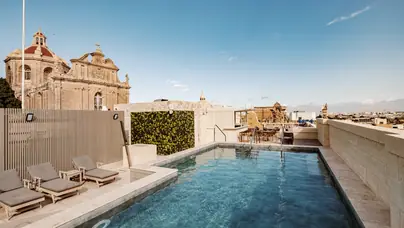
Several properties emphasize treatments and rituals for stress reduction and personal well-being. On Malta, the adults-only Verdala Wellness Hotel, Corinthia Palace, Phoenicia, and ME Malta offer pools, spacious spas, focused workouts, and mindfulness activities designed to restore and rejuvenate the mind, body, and spirit. The Kempinski Hotel San Lawrenz on Gozo includes an Ayurveda Centre at its spa as well.
The overall allure of these islands is much more than the individual attractions, however. As Carlo Micallef, CEO of MTA, says, “Malta has a unique combination of different cultures that make this place the showcase of many, but also the showcase of one unique culture, which is the Maltese spirit.”